

Constellations
Zen Teachers Trace Patterns in the Mind-Sky

Empathy at Scale
At the scale of a person, empathy is fast. You feel it in the body. In practice discussion, in council meetings, across a kitchen table — when someone finally says the true thing, there's a resonance that's physical and immediate and impossible to fake… At the scale of a system, none of it arrives that way.


Reflections on Cause and Effect (Part II)
To say that causes and effects are not singular but incalculable is not to say there are ultimately no causes or effects, or that we cannot influence them.

Reflections on Cause and Effect
The corollary to the Buddha's teachings on cause and effect is the surprising realization that nothing — nothing — has a singular cause. Every so-called effect has incalculable causes across space and time. Even the so-called effect is not itself singular but also incalculable effects across space and time.

Light and Dark Together
There can be a hidden seduction in consensus, an unseen perversion of purpose in holding too tightly to one position, a subtle enchantment invited through focusing on one commonality of thought — and there is an unexpected form of violence in a social worship of one-ness.
Four Noble Truths for Community
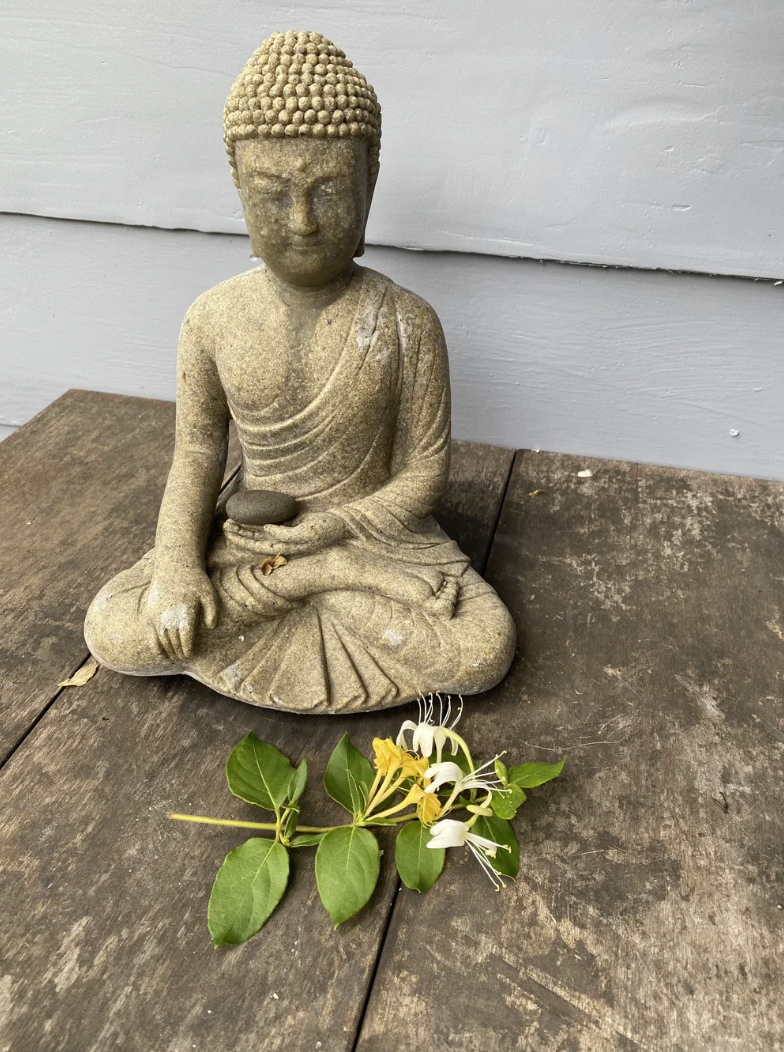
The Buddha's teaching on the Four Truths realized by the Noble Ones.
What Does a Sangha Need
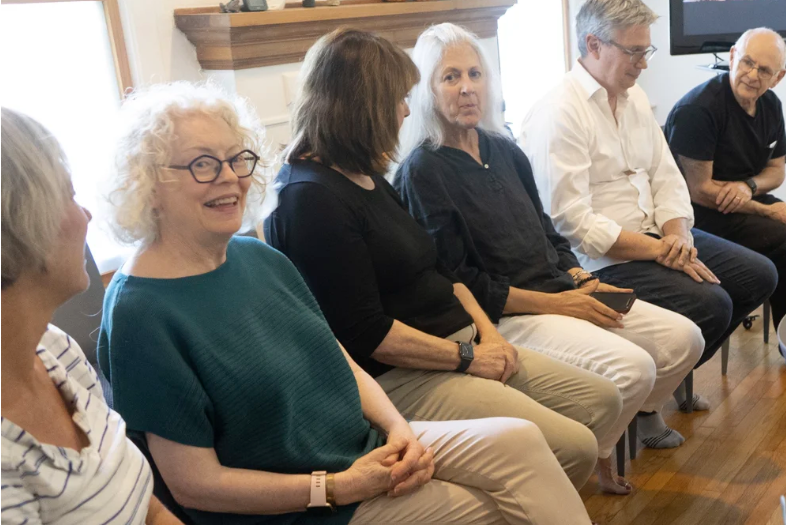
This is a start in developing a kind of framework to help spiritual communities — sanghas — thrive and evolve so that they can serve not only their own members, but all beings. Of course there are many other elements that play an important part; but these are are a start.

Non-oppositional Disagreement
We often feel that when our views differ from another's — and particularly where the stakes are high or the emotions are strong — we have only these choices: stifle our own views, oppose the other's views, or try to persuade or argue the other to our position.
Non-oppositional disagreement does not follow any of these patterns.

Resolving Disagreements
Disagreements are inevitable in any community, and spiritual communities are no different. Often we fall back on familiar processes and our conditioning when disagreement and conflict arise. We become triggered, which means that we do not access the practices and teachings that offer wisdom and compassion for ourselves and for others. There is an alternative: bringing the light of awareness and the skills of our practice together.

Building the Habit of Inquiry
Habit scientists speak of four aspects to a habit: cue, craving, response, and reward, according to James Clear, the author of Atomic Habits. I found that very interesting from a Buddhist perspective, because he has added one aspect not usually mentioned by habit scientists: craving.