
Practice | Meet with a Teacher
Practice Discussion
Meeting a teacher, face to face.
What is Practice Discussion?
Practice discussion is a short, private meeting with a teacher about your practice and your life. At Appamada, practice is relational. Zazen isn’t a solitary project of self-improvement; it’s about how we meet one another and the world. Meeting regularly with a teacher is one of the most direct ways to bring that into your practice.
It’s always optional, and it can be a real help. On your own, it’s easy to head confidently in the wrong direction, or to get caught in doubt or worry. A teacher can help you find your way.
What should I bring?
Anything that matters to you is welcome: a question about zazen, something hard in your life, a moment of joy, or nothing at all. You don’t need a topic. Often what’s useful comes up in the meeting itself.
Practice discussion isn’t therapy or coaching, and it doesn’t replace them. But anything you might bring to a therapist or coach can also open something in practice. There are no wrong topics.
When can I meet with a teacher?
Practice discussion is offered during morning and Sunday zazen, and online by request. Meetings are about 20 minutes and begin on the half hour.
On Sunday mornings, there’s an announcement at the start of each period; if you’d like to meet, go quietly to the side room and wait your turn. To set up a time, or to see a particular teacher, send a message beforehand.
How often is up to you. Our root teacher Charlotte Joko Beck suggested weekly meetings for people new to practice, and every two weeks after the first couple of years. If something needs more time than a short meeting allows, your teacher may suggest a separate appointment.
What is the form?
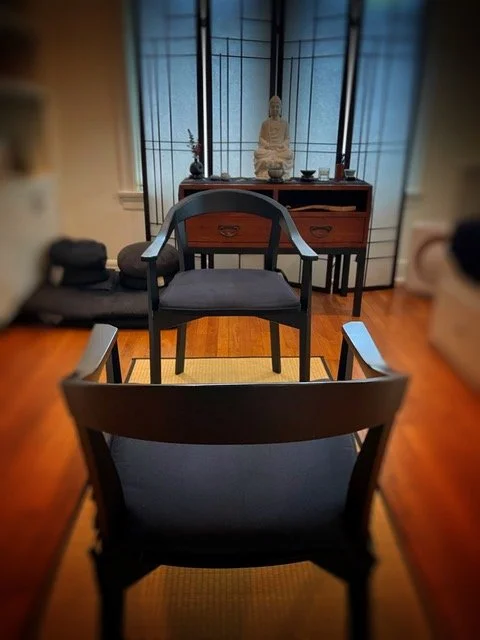
- When it’s your turn, rise mindfully and wait quietly at the door for the bell.
- Enter, close the door, and bow toward the altar from the doorway.
- Come to the end of the bowing mat and make a standing bow to the teacher, then sit.
- When you’ve finished, make a seated bow, stand, straighten the cushions, and make a standing bow to the teacher. There’s no altar bow as you leave.