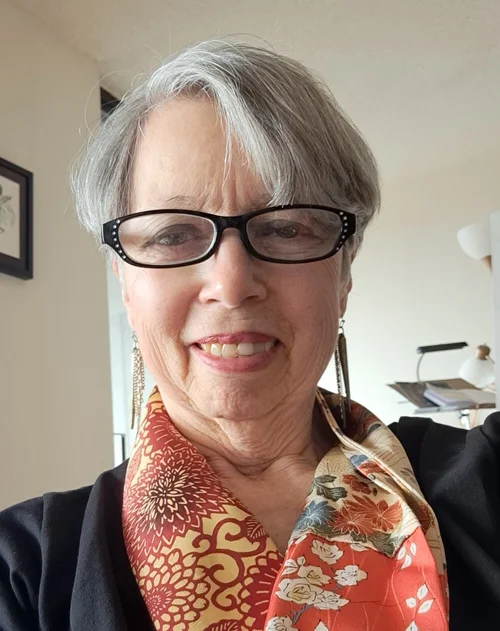
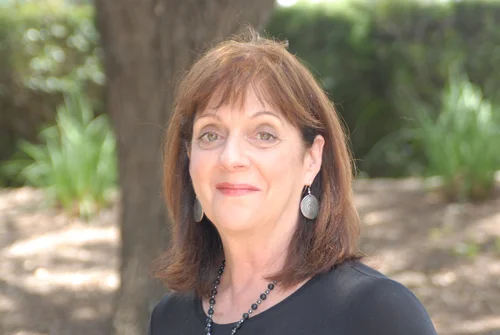
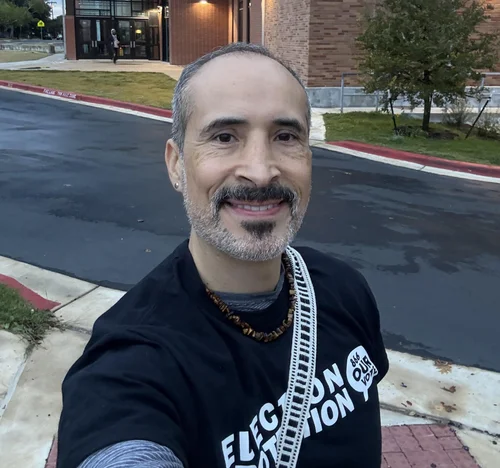
Care animates our practice.
Behind every quiet morning in the zendo is care that no one sees. Before anyone lights the incense, someone has paid the bills, renewed the insurance and read the fine print. Board members take on this work as practice, in the same spirit as sweeping the zendo or ringing the bell: wholeheartedly, attentively, and without needing to be noticed.
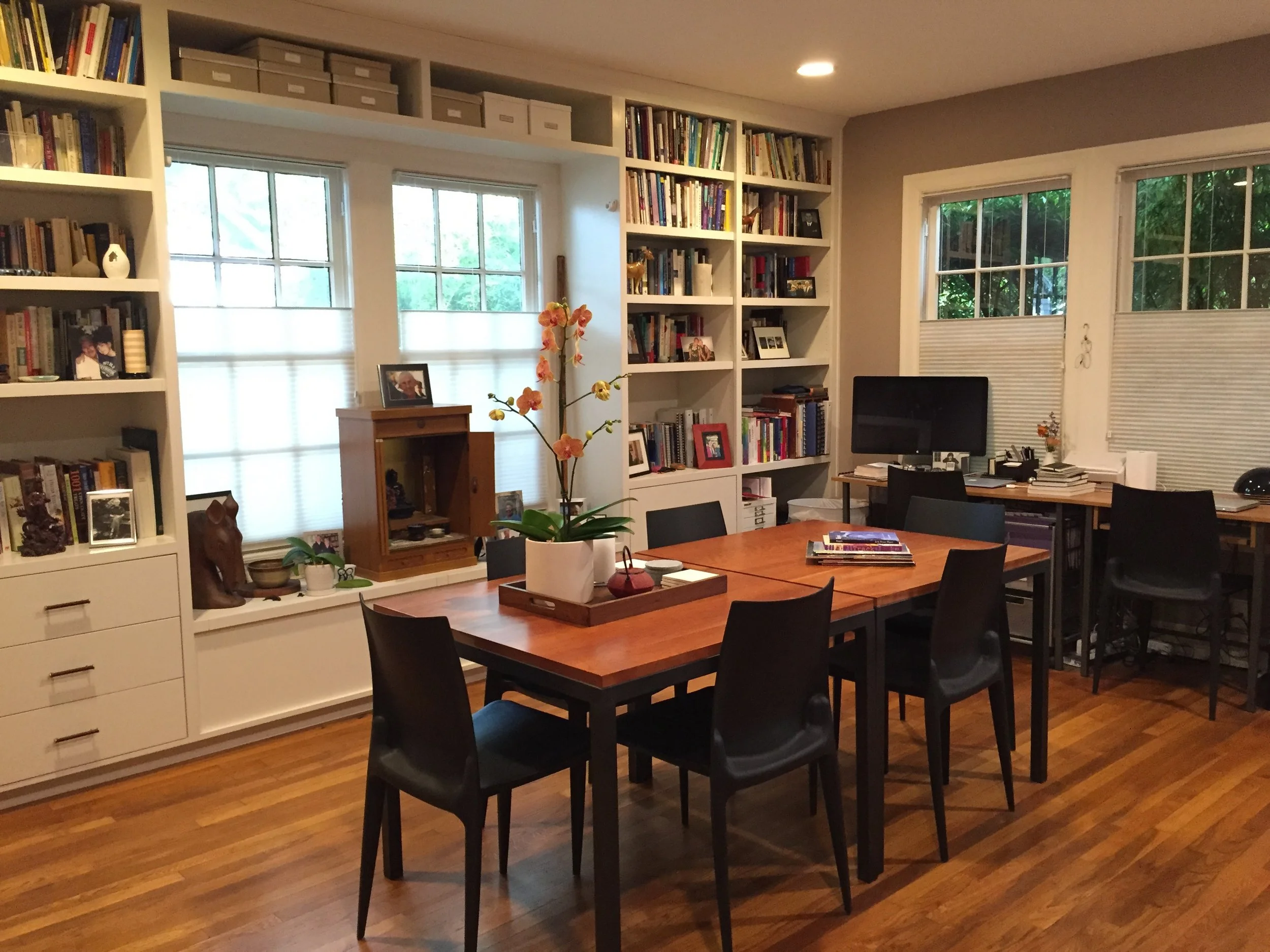
When Appamada was a sitting group of six or seven people, its Board met once a year over lunch around a table in the study. As the sangha grew, so did their care: bylaws, an ethics policy, a budget, a building. We’re deeply grateful to everyone who has served, past and present. Their steady attention is part of why the doors open each morning.
WHAT THE BOARD LOOKS AFTER
Appamada's finances, including the generosity that sustains it
The building and grounds, insurance and legal matters
The bylaws, the Ethics Policy and our grievance procedures
The long view: where Appamada is going, and how it will get there.
A Different Kind of Board
In most organizations, a board's job is to turn a mission into action and get results. Here, that results-oriented focus is softened, because the task at hand is the tender stewardship of an ever-evolving sangha, an organization held together primarily by love.
Board members bring the skills of their working lives, and daily practice changes how they use them. It's common to find oneself going confidently down a linear path, then stopping to wonder: Is this the right assumption? What do we really know for certain? The Board embraces the task, uncertainties and all, prompted more by hope and love than by determination.
The Board's role matters, and it can be fraught with danger if its power isn't handled well. Its decisions affect a whole sangha, and even well-meaning people can go astray, taking others with them. So we ask that the Board's makeup and its way of working reflect the same values as the sangha itself.
Once, the Board set aside every constraint it faced (the budget, staffing, time, physical space) and offered one another what they hoped and wished for this beloved sangha. That conversation was never distilled into a vision statement or strategic plan. It remains a repository of hopes and loving intentions, a touchstone for the actions the Board takes and the course it sets.
How Decisions Are Made
A sangha needs some structure for making decisions. Without it, the most persuasive voices can take over, factions can form, or the search for consensus on every question can stall everything. With too much, a board can drift away from the people it serves.
Appamada's Board looks for the middle way. It works within clear bylaws, and every member has an equal vote. Disagreement is welcome; it usually means something important is being looked at closely.
The Board also tries to hear the sangha in more than surveys and reports. It stays in conversation with the teachers, the Councils and sangha members before it acts, and it keeps the sangha informed about what it decides and why.
Serving on the Board
Board members come from the sangha and from the wider Austin community. Some have practiced at Appamada for many years. Others bring experience Appamada needs, such as finance, law, nonprofit leadership or care of a building.
You don't need to be a seasoned practitioner to serve. Some members have joined feeling like beginners, only to find that the habits of mind from their working lives were exactly what the sangha needed, and that practice, in turn, changed how they used them.
Service asks for regular meetings, follow-through, and a willingness to hold real responsibility with a light touch. Board members abide by the Precepts and by Appamada's Ethics Policy. If you feel called to serve, talk with a Board member or a teacher.