
SERVE
Samu
Work as practice.
Many hands keep the practice going.
Samu is the Zen tradition of work as practice: caring for a place and its people with the same attention we bring to the cushion. There's nothing special about the tasks themselves. What matters is how we do them, and what we notice in ourselves along the way.
At Appamada, Samu is the everyday, operational work that keeps the center running and the sangha cared for, from tending to our facilities, hosting the sangha online, and editing recordings. We have no monks or residents, so this work is carried by the sangha. Anyone can help.
Samu Groups
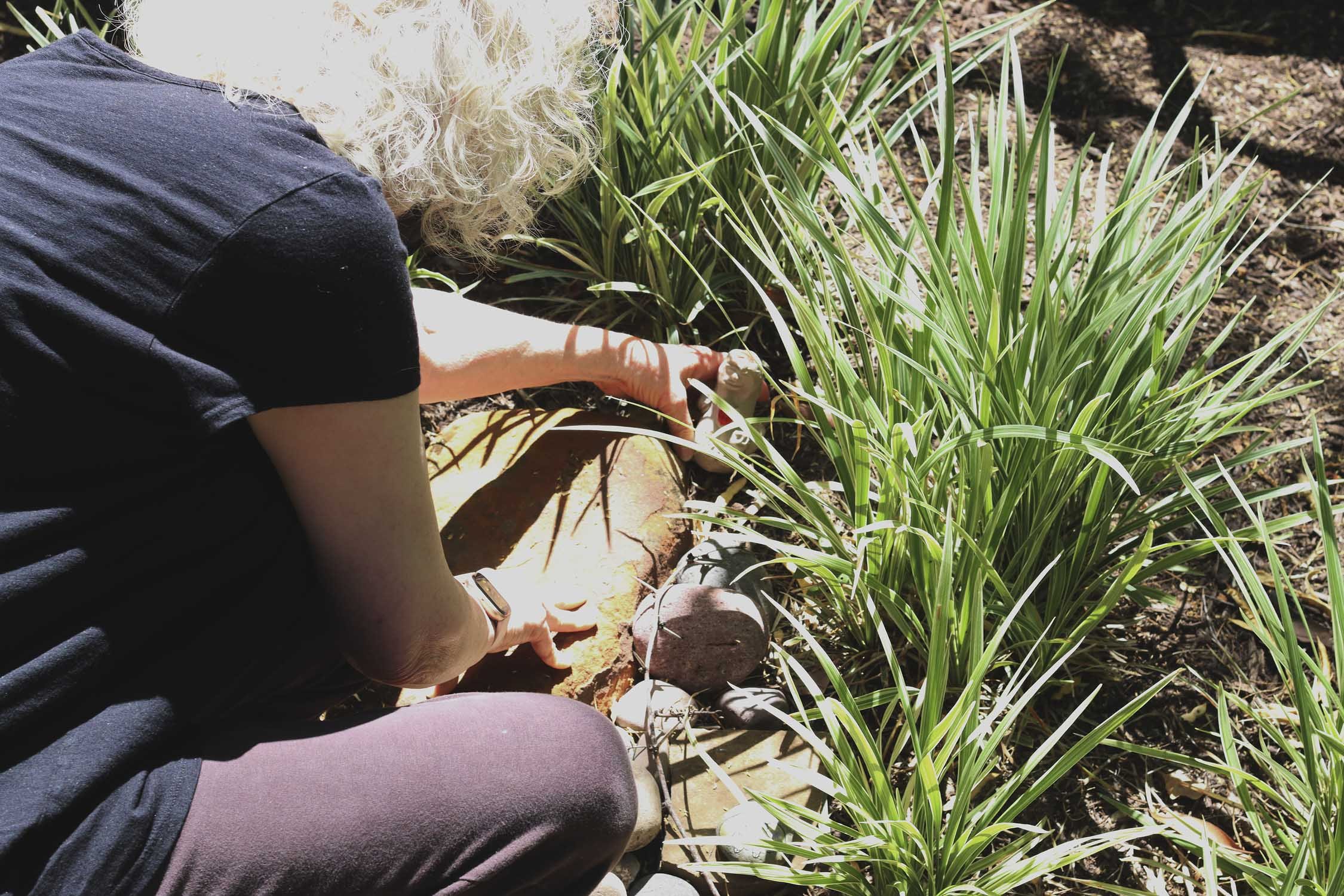
Facilities — Caring for the building, the grounds, and the physical upkeep of the center.
Flowers — Caring for the altar and the beauty of the practice space.
Online Monitors — Tending the online room during offerings, and welcoming those who practice at a distance.
Video Editors — Preparing recorded talks and programs for the archive and for sharing online.
Social Media — Caring for Appamada's public voice on the channels we use.
New groups form as needs arise.
Work as Practice
Appamada takes its name from a word that means mindful, energetic care. Samu is where that care becomes something you can see and touch: a swept walk, a fresh arrangement on the altar, a talk ready for someone to hear next week.
Work also shows us ourselves. Our habits come along for the ride: hurry, worry, comparing mind, the wish to be seen doing a good job. Samu gives us a chance to meet them with the same patience we practice in zazen.
And it's joyful. Working side by side is one of the simplest ways a sangha becomes a community.
How Samu Works
Appamada's work rests on three kinds of care. The Board holds governance: legal and financial stewardship and the long view. The teachers hold practice, teaching and programs. Samu holds operations: the day-to-day work of running the center and caring for the sangha.
An Operations Manager coordinates Samu as a whole, clearing obstacles and keeping the groups in step with one another. Each group has a Lead and is self-directed in its own work. Anything that carries a cost or a question of policy goes to the Board; anything that touches practice or programs goes to the teachers.
Once a month, the Leads (and, ideally, everyone in the groups) meet with the Operations Manager for a short working session. Each Lead shares what's steady, what's needed, and what's coming in the next 30, 60 and 90 days.
Leading a Group
A Lead cares for their group the way the group cares for the center. A Lead:
- recruits, orients and thanks the volunteers in their group
- keeps a current roster and schedule
- maintains the group's simple written procedures
- raises needs, costs and obstacles early
- comes to the monthly meeting
Getting Involved
Most Samu work asks for a little time, steadily given, rather than a lot all at once. You don't need special skills; each group will show you what to do and how it's done here.
To offer your time, or to ask which group might be a good fit, write to info@appamada.org.