
SERVE
Councils
Where practice deepens into care for the sangha.
Councils care for the sangha and carry the practice.
Councils carry the practice life of Appamada. Our practice is designed for people engaged with the world of work, family and everyday responsibilities, and we have no priests or residents. Councils hold what they would hold: the forms of the zendo, the knowledge of how practice is done here, and the care that passes it from one generation of students to the next.
A Council is a small group of experienced practitioners whoare invited by the teachers to train together and deepen their spiritual friendship over many years. A Teacher facilitates each Council. The name recalls the councils of the Buddha's disciples, who gathered after his death to preserve and pass on his teachings.

What Councils Do
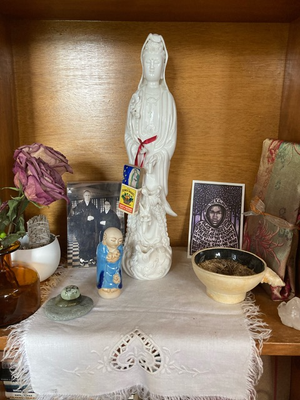
Care for the zendo and its forms — Council members tend the altar and flowers and prepare the zendo for zazen, ceremony and Inquiry, leaving no trace. Each form has a reason, learned through caring for it.
Teach the roles — Newer students learn the roles of monitor, timekeeper, jisha and chiden from Council members. They teach with the same patience once shown to them, knowing every role is learned through mistakes.
Welcome newcomers and give orientation — New people are greeted, oriented to the forms, and helped to find their way into the practice. A warm and steady model of practice often teaches more than any instruction.
Lead classes and programs — Council members lead classes and programs and help shape what Appamada offers. These offerings grow out of their own sitting. Teaching what they have been taught deepens their understanding and enriches the sangha.
Support intensives — Councils help prepare, lead and serve our intensives. Their quiet work in the background lets everyone else give themselves fully to practice.
Most of us learn the forms by watching those around us. In a traditional temple, priests and residents keep the knowledge of how things are done. Here, Council members do: seasoned students who carry the forms until others are ready to carry them too.
Who Is Invited
The teachers invite sangha members to join a Council. The invitation usually comes when a person's practice has become steady and has started to turn outward, toward care for the community. Before an invitation, a person has usually:
- established a daily sitting practice
- learned the key roles: monitor, timekeeper, jisha and chiden
- worked regularly with a teacher
- taken the Precepts, through the Precepts Program or individual study with a teacher
- sat at least four intensives
- taken part regularly in the life of Appamada
- expressed a wish to train more deeply here
We can't ask anyone to take responsibility for others until they have taken responsibility for themselves. It takes a wholehearted commitment to learn and grow in this Buddha Way.
What We Ask of Council Members
The first thing we ask is presence. The forms are learned in the room, and only someone who is practicing them can pass them on. Every offering a Council member makes, from orientation to leading a class, grows out of these commitments. What we offer the sangha comes from our own sitting.
Presence
- Sitting with the sangha in the zendo several mornings each week.
- Attending intensives.
- Coming to the one-hour weekly Council meeting and to All-Council gatherings. An occasional missed meeting is understood.
- Taking part in the life of the sangha, in its formal life (classes, ceremonies, Inquiry) and its informal life too (Friday morning tacos, Sunday brunch, informal gatherings).
Practice
- Daily sitting, at home on the days away from the zendo.
- Practice discussion with a teacher every two weeks.
- Making a home in the precepts, and meeting one's own reactivity and conditioning with curiosity and friendliness.
Care for the forms
- Showing up on time, ready to serve.
- Enacting each role mindfully, and continuing to refine it as practice.
- Taking instruction and correction thoughtfully, as support on the path.
- Sharing the Council's work fairly, so that no one carries it alone and no one sits it out.
Friendship
- Practicing friendship as part of the path. Without spiritual friendship, this is a barren path.
- Listening closely to one another.
- Being honest with one another, and staying in relationship when it gets hard.
- Offering one's view freely, and holding it lightly.
Wherever they go, Council members represent the Buddha, the Dharma and the Sangha. They represent Appamada. Council members abide by the Precepts and by Appamada's Ethics Policy.
Deepening the Path
A Council offers deeper training than an open class can, and a way to live the bodhisattva vow: growing in practice by caring for the practice of others. We wake up and grow up together, in meeting one another, in relating, and in mutual care. The friendships formed in Councils become golden threads running through the whole fabric of the sangha.
Over time, practice stops being one activity among many and becomes the center a life turns around. Zazen comes first in the day, and the day takes its shape from it. The precepts become the way we meet our families, our work and our own reactivity. This isn't a withdrawal from life. Zen living is abundant, woven through everyday life and the lives of everyone we touch. It doesn't come from adding more to the calendar. It comes from putting practice first and letting everything else find its place around it.
The living Dharma has two strands, wound together like a double helix: the stillness of zazen and the warmth of genuine encounter. Neither is enough alone. In Council practice they become not two. Sitting and serving, practice and daily life, our own awakening and our care for the sangha are not two. As the old Zen poem Faith in Mind puts it, in this not two, nothing is separate and nothing in the world is excluded.
- Council member
- Head Student
- Zen Mentor
- Entrusted Dharma Teacher
Head students for each practice period are chosen from the Councils, and every one of Appamada's Entrusted Dharma Teachers came up through a Council. Teachers here aren't simply appointed. They're shaped by the sangha, over years of sitting day after day and intensive after intensive, in relationships deeply woven.
Current Councils
We don't want to recreate a formal hierarchy, but a deep aspiration to practice needs some structure to support it. A teacher or guide facilitates each Council. We form a new Council whenever five or more people are ready. Councils are numbered in the order they form, like generations, so newer Councils can learn from older ones.
Council 1
 Todd Bankler
 Joel Barna
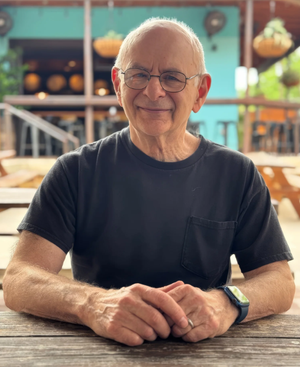 Kim Mosley
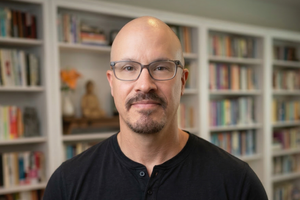 Nate Smalley
 Laurie Winnette
Council 2
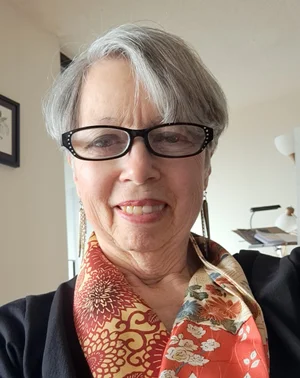 Rosemarie Gates
 Genève Gil
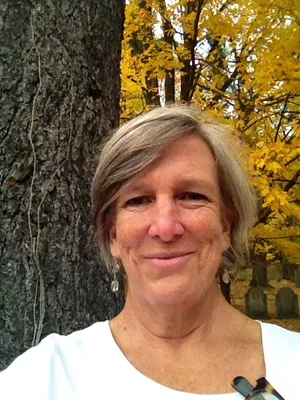 Ann Lipscomb
 Amanda Quraishi
- Todd Bankler (Guide)
Council 3
 Joan Harman
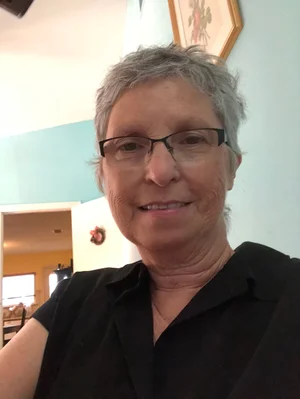 Ellen Hippard
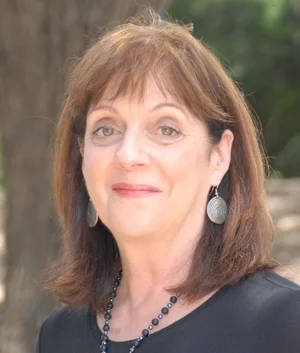 Susan Kaderka
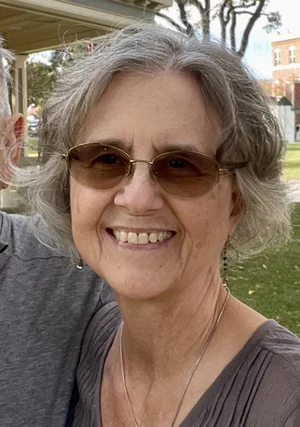 Darcy Schneider
 Marla Sullivan
 Milene Zozaya
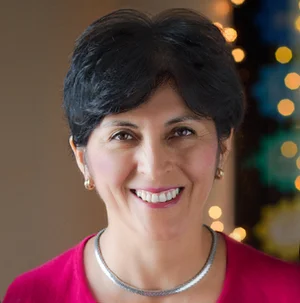 Sandra Medina Bocangel (Guide)
Council 4
 Nelda Adamson
 Jess Ambiee
 Lesley Bradstreet
 C. Seren8y Fernandes
 Daniel Moser
 Ed Sancious
- Joel Barna (Guide)